The Ultimate Guide to Ceremonial Cacao
Here in San Diego, cacao ceremonies are buzzing! We've gathered all of the need to know details about this magical little bean that is inspiring and uplifting so many. Read on to learn more about the health benefits of ceremonial cacao and how you can try it for yourself!
Have you been wondering what the hype around cacao is all about? From myriad health benefits to spiritual connections, this sacred plant offers many reasons to incorporate its raw form into your diet and wellness practices.
What is Cacao?
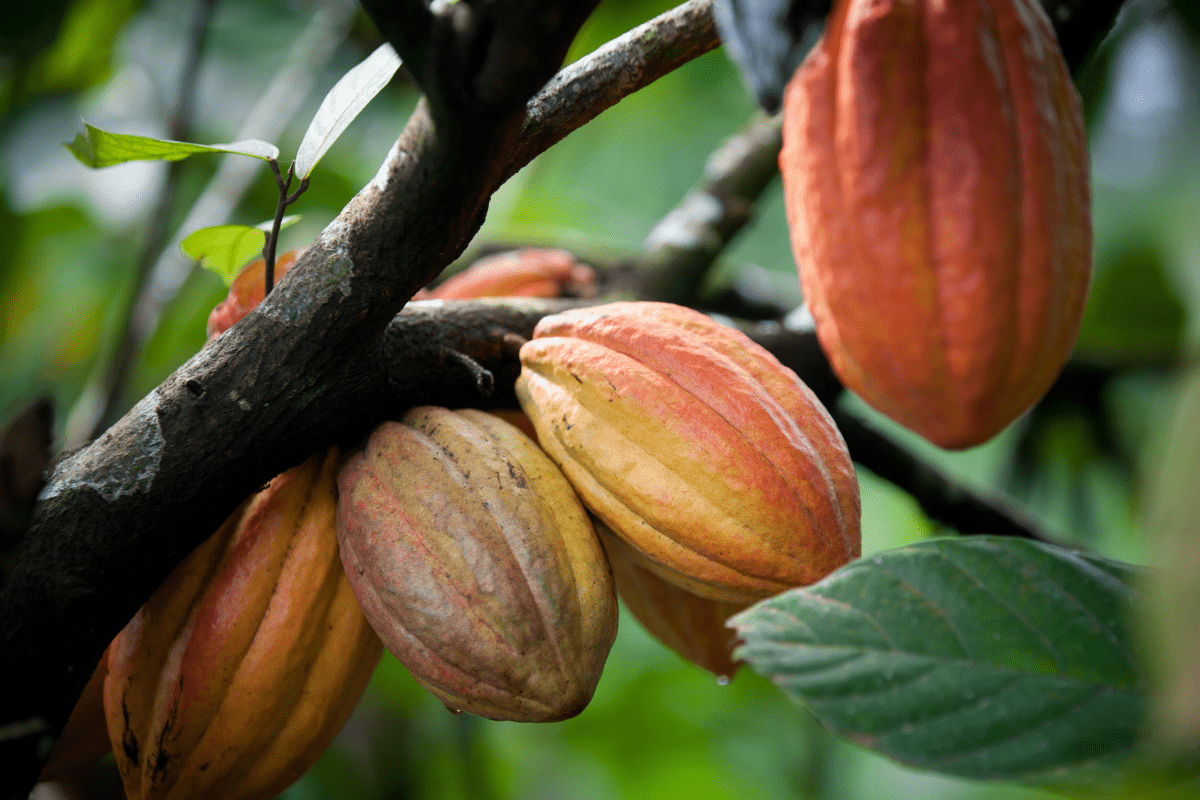
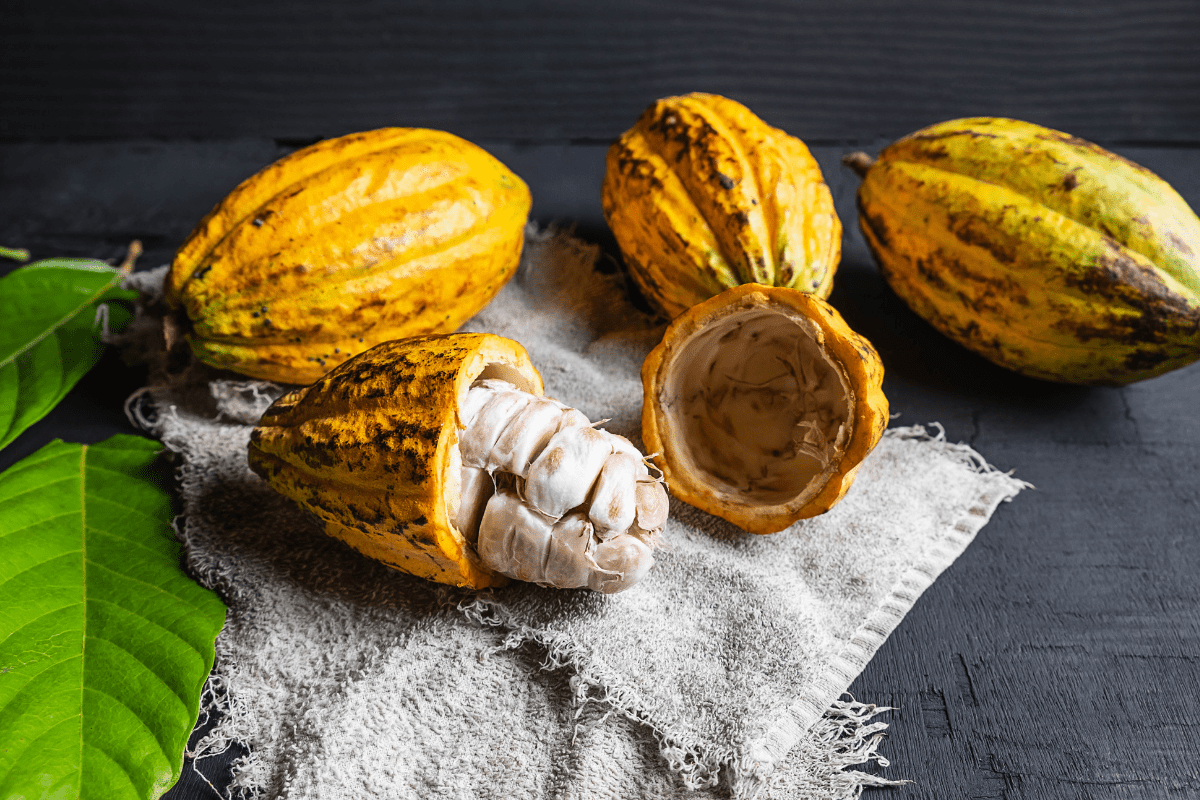
Originating from the plant, Theobroma Cacao, also known as, “food of the gods” is a native tree to the Amazon Jungle. Hidden inside the dangling pods, wrapped in edible sweet and tart flesh, is the cacao bean, pronounced ka-kow. This bitter and crunchy seed is where commercial grade chocolate products originate. When minimally processed, this delicious and magical plant carries an abundance of health benefits that can support the mind, body, and soul.
Cacao Vs Cocoa
You might be just as confused as us when you hear the terms cacao, cocoa and chocolate being used interchangeably to mean the same thing. To understand what cacao is, we need to understand what cacao is not, why the name changes, and at what point it is considered not cacao anymore.
Even though cocoa (coco), originates from the cacao plant, cocoa is what cacao beans are called once they have been roasted and processed at high heats ranging from 250-350 degrees fahrenheit for long periods of time. The cacao plant's molecular structure changes through the roasting process and its nutrient potency decreases.
Commercial-grade chocolate
Most chocolate bars out on the market today use cocoa powder, cocoa liquor and treat it with alkaline to lessen the bitter content, which substantially reduces cacao health benefits. Not only that, commercial chocolate usually has high amounts of other additives like dairy and sugar which further separate it from its original form. Depending on which chocolate you purchase though, consuming one that is predominantly dark and made with cacao powder and cacao butter or ceremonial grade cacao will ultimately have more nutritional value.
Types of Cacao
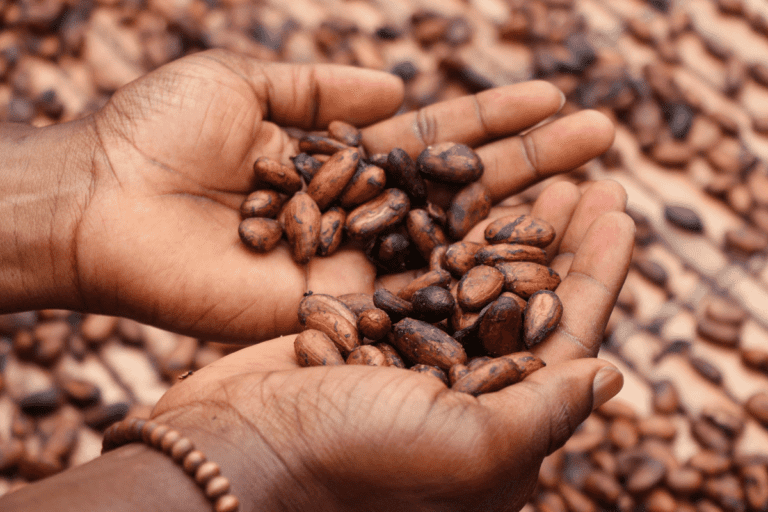
Traditional cacao is processed by first fermenting the beans. Fermentation causes the beans to become nutrient dense all the while eliminating any anti-nutrients such as lectins and phytic acids. Once the fermentation process is complete, the beans are then lightly toasted or sun dried, and then peeled.
Ceremonial-grade cacao
Ceremonial-grade cacao is traditionally made by stone-grinding the dried hulled seeds into a paste. Traditionally, this paste is then turned into a drink, which is often then shared amongst the community usually in a ceremonial setting.
Unroasted cacao beans and nibs
Similar to the paste, the cacao beans are first fermented and then lightly toasted. Once the husks are peeled, the beans then go onto the market to be enjoyed as is. The cacao nibs are made by smashing the hulled beans into smaller pieces which can be enjoyed on acai bowls, granola, or smoothies.
Unroasted cacao powder
Made from the dried paste of cold-pressed, unroasted cacao beans, this process separates the beans' natural fat (cacao butter) from the rest. Although it loses its healthy fat through the cold-pressing process, the bean still holds some nutritional value. However, some of its subtle energetic properties can create an over-stimulating effect without the base of healthy fat.
The True Origins of Cacao
Despite common belief, cacao is not native to Central America. In fact, the original wild strains of cacao have been scientifically proven to originate from the Upper Amazon Basin, an area between Northern Peru, Southern Ecuador, and South-Western Colombia.
Peruvian ceremonial cacao
Cacao Adventures, a family-owned cacao company based in Carlsbad, sources its ceremonial-grade cacao from the High-Amazon Basin because of its undeniable connection to cacao's origins. Peruvian cacao is also known to have a high fat content and notes of caramel, nutty, vanilla, and tobacco flavor.
Ecuadorian ceremonial cacao
Known globally for its decadent taste, Ecuadorian cacao, also known as Arriba, has been noted to have nutty, fruity hints of orange and floral jasmine tones. An archaeological find shows the possibility of Ecuador being the original home of Theobroma Cacao.
Maya Moon Co., a San Diego-based chocolatier, works directly with farmers in Ecuador to sustainably harvest cacao for use in its chakra truffles and ceremonial drinking cacao.
Guatemalan ceremonial cacao
As the first civilization to document the use of cacao, the Guatemalan Maya found the cacao bean to be so sacred that they used it as a form of currency.
Cacao Health Benefits
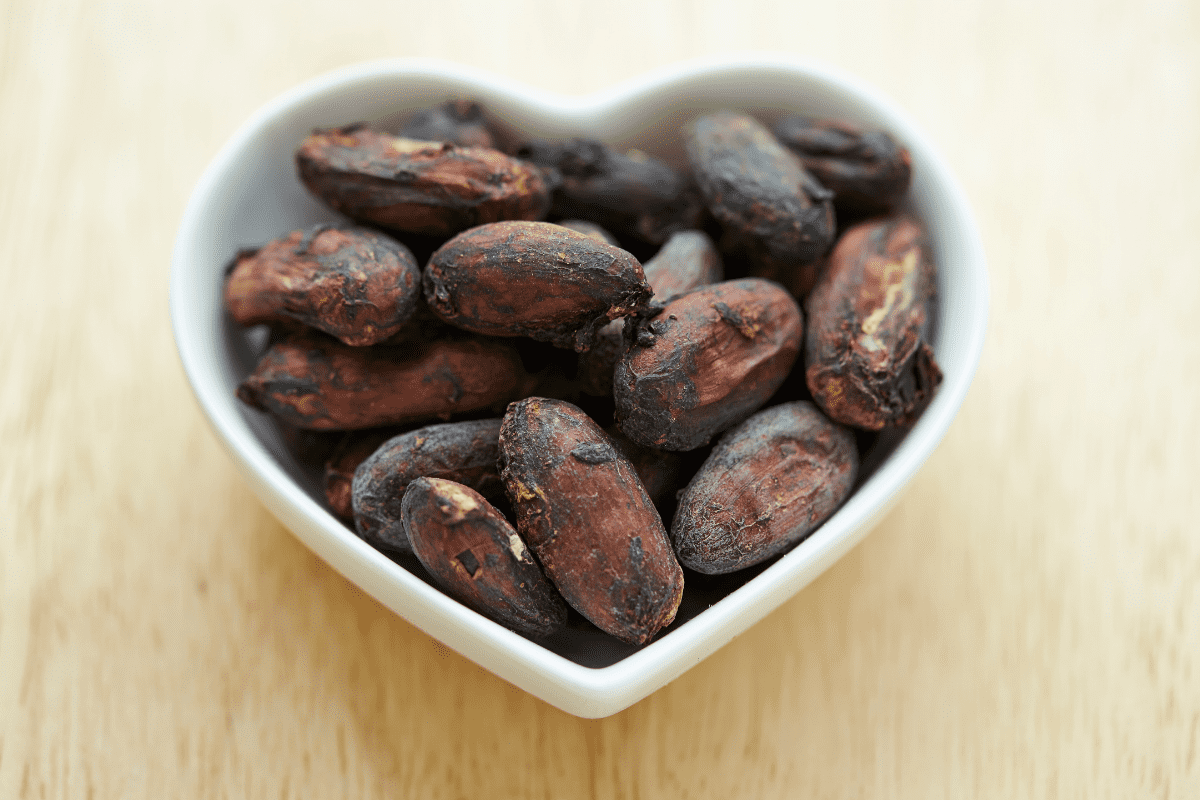
In its minimally processed form, cacao is a great source of magnesium, iron, calcium, potassium, and phosphorus. This mighty little bean is packed with B & E vitamins and essential heart healthy fat. Also loaded with protein and fiber, the cacao health benefits are numerous.
Natural antidepressant + mood enhancer
This magical little bean is composed of three major mood enhancing chemicals; anandamide, the bliss molecule, serotonin, the feel-good chemical, and PEA, also known as the love chemical. Cacao also boosts serotonin levels which is crucial for mood regulation and motivation.
Enhances creative flow states
The phenomenon known as creator's block can happen when one has a strong mental or emotional barrier. Cacao can loosen these denser energies in the body and aid the release of tension, trauma, and blockages.
Natural antioxidant + heart protector
Cacao is known to have 40 times more antioxidant power than blueberries, thanks to its high levels of flavonols. Flavonols are a type of antioxidant that protects the cardiovascular system which helps improve circulation and strengthen the artery and vein walls. Amongst cacaos 700+ compounds are some very complex antioxidants that lower bad cholesterol, and in turn supports artery walls to stay soft and flexible.
Support for PMS
Have you ever wondered why you crave chocolate during the time of your menstrual flow? During a woman's period, magnesium levels tend to be low which is one reason why you might be gravitating more towards the yummy chocolate. Cacao is a great source of magnesium which has shown to be supportive for cramps and relaxation.
Skin healing + health
Either by eating or applying it topically, cacao is known to be a natural skin healer and protector. Since blood carries oxygen and nutrients to the skin, cacao's ability in improving blood flow and circulation is likely to improve the skin's complexion. Due to the high levels of antioxidants, cacao can combat aging and rejuvenate the skin. It is also a natural anti-inflammatory which can soothe any redness, puffiness, and acne on the skin. Try a cacao facial mask to clear and enhance your skin!
What to Expect in Your First Cacao Ceremony
Depending on where you go and what the intention is for the space, you can always expect a unique cup of warm cacao and personal intention setting. Whether it be on a new or full moon, there is usually an offering of a guided meditation, journaling session, sound healing, vocal activation or some kind of embodiment practice. Usually before the event, the coordinators will share their theme and intention for the space, and anything that you might need to bring.
Cacao ceremonies pop up all across San Diego County but here are some local wellness studios offering regular cacao-focused events:
- San Diego New + Full Moon Events Guide
- Lavande Wellness Boutique - La Jolla
- Maya Moon Collective - Normal Heights
- Trilogy Sanctuary - La Jolla
- Sojourn Healing Collective - Golden Hill
Check out our Events Calendar to find the next cacao ceremony closest to you.
DIY cacao ceremony
Creating your own cacao ceremony can be as simple or as extravagant as you feel called.
Ceremonialists, Franciska Bodenár and Andrew Anunciation, offer a step-by-step process on how to have your own cacao ceremony.
According to Franciska and Andrew, the first step is to create the space by incorporating the senses. What do you want to smell, feel, and hear? The second step is to slow down, tune in to your cup of cacao and express your gratitude. Research shows how gratitude improves one's mental health. Franciska and Andrew believe that sharing what you are truly grateful for with your cup of cacao is what turns it into medicine.
Joyful Ritual Ceremonial Cacao Recipe by Cacao Adventures
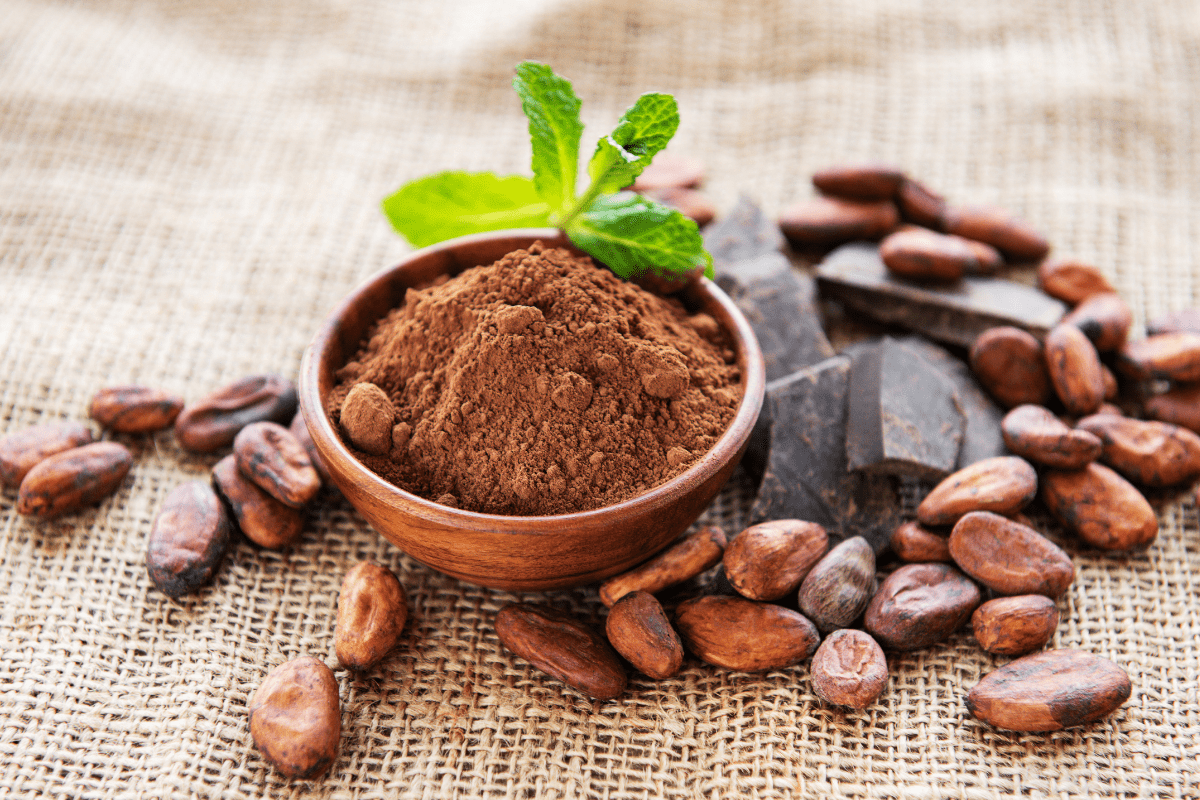
Start your day with purpose and a little self-care by making a ceremonial-grade cacao drink. This rich and nourishing beverage is perfect for setting your intentions and enjoying a peaceful moment just for you. It’s a simple yet meaningful way to treat yourself while staying grounded and focused.
What you will need:
- 3 Ceremonial Cacao coins or 21 grams of chopped cacao from a cacao block
- 1/8 tsp Ginger
- 1/4 tsp Cardamom
- 1/4 tsp Cinnamon
- Pinch of White pepper
- 1 tbsp Honey (optional)
- 7 oz Water or your Milk of choice
Procedure Steps:
- Add the cacao coins in a cup, covering them slightly with boiling water.
- Let it sit for 1 min, stir. Now you have ceremonial cacao base.
- Add spices and honey, then mix.
- Add your liquid of choice. hot or cold, them stir or blend.
Where to Buy Ceremonial Cacao in San Diego
There are many places where one can buy cacao! If you're looking for organic, fair trade, sustainable ceremonial-grade cacao, here are a few local vendors:
- Cacao Adventures -- small-batch ceremonial cacao from the original wild strains of cacao found in the high Amazon Basin of Peru -- online and in-person (Carlsbad)
- Maya Moon Co. -- online and in-person (Normal Heights, Encinitas)
- Cacao King
- Sprouts
- Jimbos
- Lazy Acres
- Check your local Farmers Market
Try It for Yourself!
We now know cacao is so much more than the average chocolate bar. From its raw form wrapped in sweet flesh, this sacred little bean opens hearts and puts smiles on faces. Thanks to cacao's health benefits, we can eat it in many different ways and even put it on topically. With all of the abundance it offers us, there is so much to be grateful for in the presence of Theobroma Cacao.
____________________________
DISCLAIMER: This article is for informational purposes only. It is not, nor is it intended to be a substitute for professional medical advice or treatment for specific medical conditions. You should not use this information to diagnose or treat a health problem without consulting a qualified healthcare provider.
Looking for More Cacao Events + Healthy Recipes?
Explore our Events Calendar for upcoming cacao ceremony events, meditation classes and wellness workshops around San Diego. Or browse all of our Food + Wellbeing articles for the latest food recipes, wellness news and trends.
More from Food
View All Food